By Iwona Stoch, Founder & Strategic Lead, Stoch Hotel Consulting
The hotel FF&E procurement process runs in eight sequenced stages: align the brief and brand standard, develop the FF&E specification, set the budget, tender and level bids, approve samples and mock-up rooms, place and manage purchase orders, control logistics and freight, then install, snag and hand over. Each stage protects the budget, timeline and brand standard of the next.
FF&E (Furniture, Fixtures & Equipment) procurement is not a single purchasing event — it is a sequence that begins as soon as the design concept is fixed and ends only when the last item is installed, snagged and signed off. Get the sequence right and the hotel opens on time, on budget and on brand. Get it wrong — a long-lead category ordered late, a sample approved without a mock-up, freight booked without warehousing — and the cost shows up on opening day. This guide sets out the step-by-step FF&E procurement process we use to deliver luxury and upscale hotels across Europe, and it is the process hub of our wider complete guide to FF&E and OS&E procurement.
What is the FF&E procurement process?
The FF&E procurement process is the structured method for specifying, sourcing, buying, delivering and installing all the furniture, fixtures and equipment a hotel needs to operate — from casegoods, beds and seating to soft goods, decorative lighting and loose equipment. Because FF&E is capital expenditure with a multi-year life, it is planned and reported separately from construction and from OS&E (Operating Supplies & Equipment). For the financial framing, FF&E is accounted for under the Uniform System of Accounts for the Lodging Industry (USALI), described by HFTP and AHLA as “the worldwide, authoritative standard for lodging financial and operating reporting”; its 12th Revised Edition becomes mandatory on 1 January 2026.
If you are still mapping the categories before you start, read our companion guides on FF&E vs OS&E and the hotel procurement glossary. For the money side, see how to budget FF&E for a hotel, and for who runs the process, what a hotel procurement company does.
What are the steps in the hotel FF&E procurement process?
We run every project through the same disciplined sequence. The order matters: each stage is a control gate that protects the one after it, and skipping or reordering a stage is where most budget overruns and opening-day delays begin.
- Align the brief and brand standard. Confirm the segment, the operator’s brand standard, the design narrative, the key count and the responsibility matrix. The brand standard sets minimum specifications and is the boundary condition for every later decision.
- Develop the FF&E specification and schedule. Translate the interior design into a complete, costed FF&E schedule — every item, finish, dimension and quantity by guestroom type, public area and back-of-house space. The specification is the single source of truth for tendering.
- Set and validate the budget. Build the budget line-item by category, benchmark it against comparable projects, and value-engineer before tendering — not after. Resolve specification and budget conflicts here, while changes are still cheap.
- Tender and level the bids. Issue RFQs to vetted suppliers, then compare bids on a like-for-like basis — bid leveling — so price, lead time, quality and terms are weighed together rather than awarding on headline price alone.
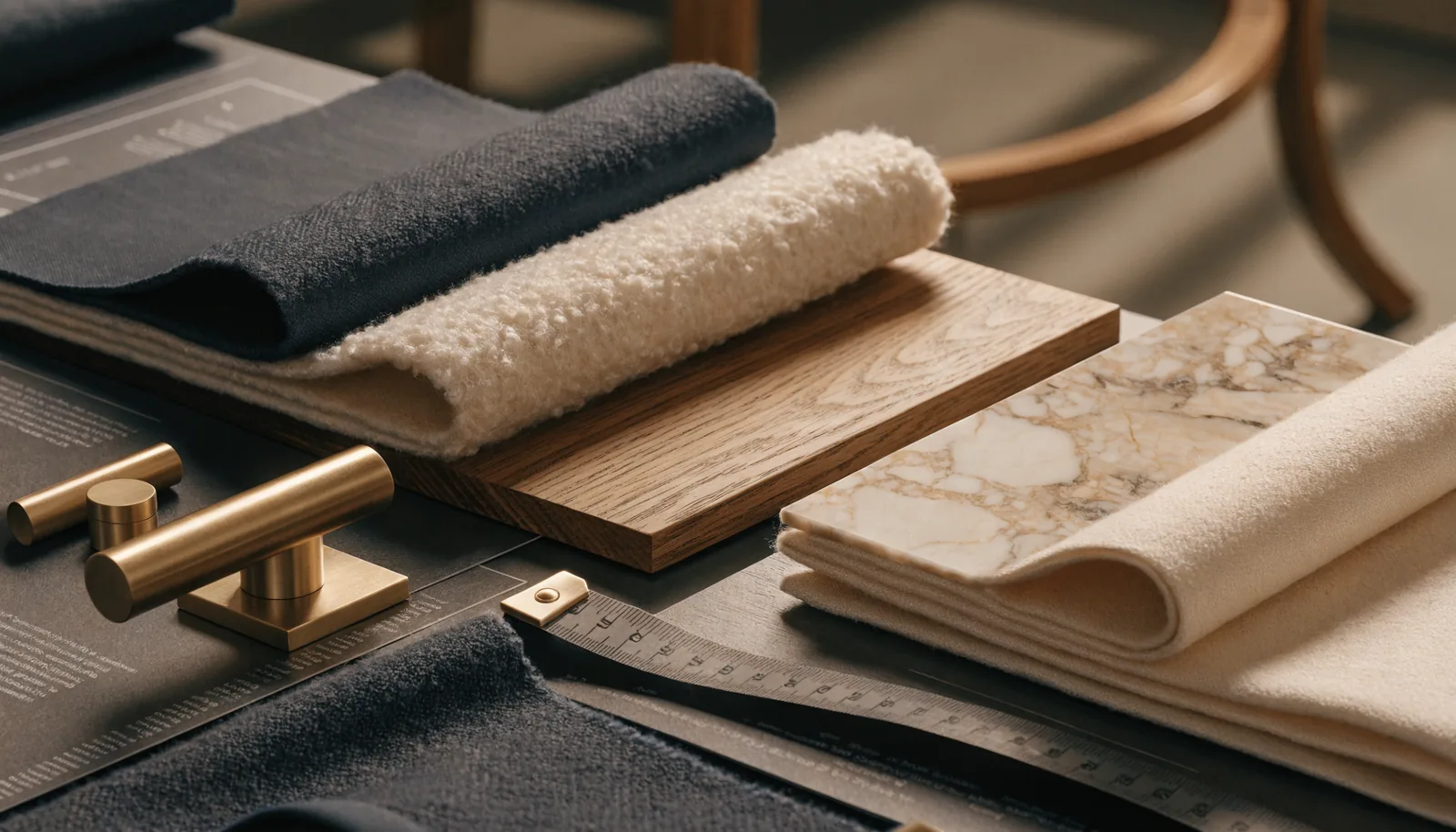
- Approve samples and mock-up rooms. Sign off physical samples and a full mock-up (model) room before committing volume orders. The mock-up is the last point to catch a specification or quality problem before it multiplies across hundreds of keys.
- Place and manage purchase orders. Issue purchase orders against approved samples, then track each order actively — production status, quality checks and committed cost reconciled against budget at every PO through to dispatch.
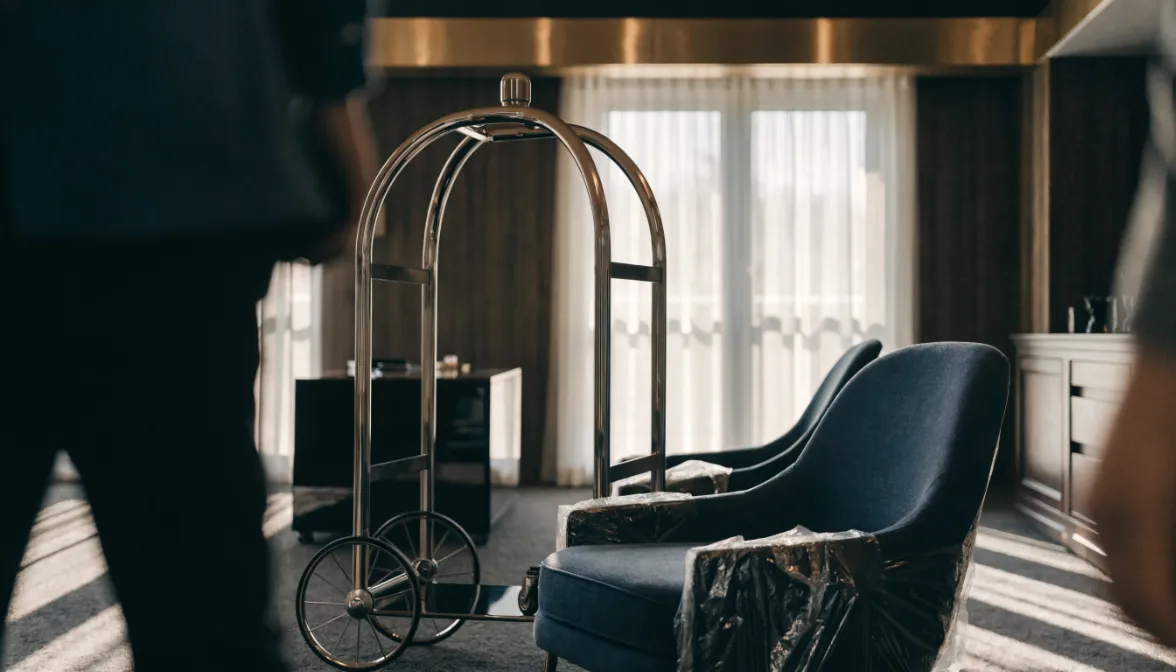
- Control logistics, freight and warehousing. Sequence shipping, customs, consolidation and storage so goods arrive in installation order, not all at once. Long-lead and imported categories drive the critical path and must be released first.
- Install, snag and hand over. Coordinate installation against the construction programme, run a snagging inspection against the specification, close defects, and hand over with full documentation and warranties for the operating team.
How long does FF&E procurement take, and why do lead times matter?
Lead times are the single biggest scheduling risk in FF&E, because the longest-lead category — not the average — sets your order date. Manufactured-to-order items cannot be rushed once the opening date is fixed, so the procurement timeline has to be built backwards from installation. As an indicative guide, FF&E supplier Innvision Hospitality reported (2022) lead times of “12-16 weeks domestically and 16-18 [weeks] overseas” for casegoods and “17 weeks for custom” decorative lighting — and those figures predate any project-specific freight or customs delay.
In our experience on European luxury and upscale projects, custom and imported categories — casegoods, bespoke soft goods and decorative lighting — are consistently the items that, ordered late, push an opening date. That is why steps 1–3 (brief, specification, budget) are run early and fast: the sooner the specification is locked, the sooner long-lead orders can be released.
| Stage | What happens | Why it protects the project |
|---|---|---|
| 1. Brief & brand standard | Confirm segment, brand standard, key count, responsibility matrix | Sets the specification boundaries before any money is committed |
| 2. Specification & schedule | Costed item-by-item FF&E schedule from the design | Single source of truth; prevents scope gaps at tender |
| 3. Budget & value engineering | Line-item budget, benchmarking, VE before tender | Resolves cost conflicts while changes are cheap |
| 4. Tender & bid leveling | RFQs to vetted suppliers, like-for-like comparison | Awards on total value, not headline price |
| 5. Samples & mock-up room | Physical sample and full model-room sign-off | Last gate before quality issues multiply across keys |
| 6. Purchase orders | POs against approved samples, active order tracking | Committed cost stays reconciled to budget |
| 7. Logistics & freight | Shipping, customs, consolidation, warehousing | Goods arrive in installation order, long-lead first |
| 8. Install, snag & handover | Installation, snagging, defect close-out, documentation | Brand standard verified before opening day |
How does FF&E procurement fit the wider hotel budget?
The procurement process does not set the size of the investment — it protects it. FF&E sits inside a substantial capital envelope: according to the HVS U.S. Hotel Development Cost Survey 2025, median total development cost (U.S., 2024 data) ranged from roughly $167,000 per room for limited-service hotels to over $1,057,000 per room for luxury hotels. HVS notes these are a general guide and that “construction and FF&E design and procurement firms are the best sources for obtaining hard costs and FF&E costs” for a specific project. Two cautions: these are U.S. figures (European costs vary by market), and total development cost is the envelope, not the FF&E budget itself. For how to size the FF&E allocation, see how to budget FF&E for a hotel.
FF&E procurement at a glance: The process runs in 8 sequenced stages, from brief to handover. Casegoods can take 16–18 weeks overseas before any freight delay (Innvision, 2022). Median U.S. development cost runs from ~$167,000/room (limited-service) to $1,057,000+/room (luxury) — HVS 2025. FF&E is reported under USALI, the global lodging accounting standard whose 12th edition is mandatory from 1 January 2026.
“According to almost every late-running project we are called in to rescue, the FF&E was never really late at the factory — it was late because the process skipped a gate. A sample signed off without a mock-up, a long-lead order held back until the budget was ‘final’, a freight booking made with nowhere to store the goods. Running the procurement process in sequence is not bureaucracy. It is how you protect the opening date,” says Iwona Stoch, founder of Stoch Hotel Consulting.
Frequently asked questions
What are the main stages of FF&E procurement?
The hotel FF&E procurement process has eight main stages: aligning the brief and brand standard, developing the FF&E specification and schedule, setting and validating the budget, tendering and bid leveling, approving samples and mock-up rooms, placing and managing purchase orders, controlling logistics and freight, and finally installation, snagging and handover. Each stage acts as a control gate for the next.
When should FF&E procurement start?
As soon as the design concept and brand standard are confirmed — well before construction completes. FF&E includes long-lead and imported categories that sit on the project’s critical path, so the specification has to be locked early enough to release those orders in sequence with the construction programme and the planned opening date.
What is bid leveling in FF&E procurement?
Bid leveling is comparing supplier quotes on a like-for-like basis so that price, lead time, quality, terms and inclusions are weighed together rather than awarding on headline price alone. It ensures each bid is priced against the same specification, which is the only way to make a fair, defensible award and to avoid hidden cost or quality gaps after the order is placed.
Why are mock-up rooms part of the procurement process?
A mock-up (model) room is the last point at which a specification, finish or quality problem can be caught before it multiplies across hundreds of guestrooms. Approving physical samples and a full mock-up before committing volume orders converts a potential project-wide defect into a single correction — which is why it sits as a dedicated stage before purchase orders are issued.
Who runs the FF&E procurement process?
It can be run by an independent procurement consultancy acting for the owner, by the general contractor, or by the operator — and the model has a direct bearing on whose interests the process protects. An independent, investor-side procurement partner runs the process to protect the owner’s budget, timeline and brand standard. See what a hotel procurement company does for the differences.
Iwona Stoch is the founder and strategic lead of Stoch Hotel Consulting, an independent FF&E and OS&E procurement consultancy based in Kraków, working with luxury and upscale hotels across Europe since 2011.
Last updated: June 2026.